.png)
TRAINERS

Frozen Sho
- Frozen Shoulder
Frozen Sho

Welcome to our Frozen shoulder series, also known as adhesive capsulitis. Seeking a proper diagnosis is important. We will discuss the causes and symptoms, the phases of treatment
focusing on range of motion and strength, and tips for managing frozen shoulder. Learning to listen to your body, progressing slowly in exercises, and the importance of maintaining range of motion and strength to prevent future injuries are at the core of this series. Back
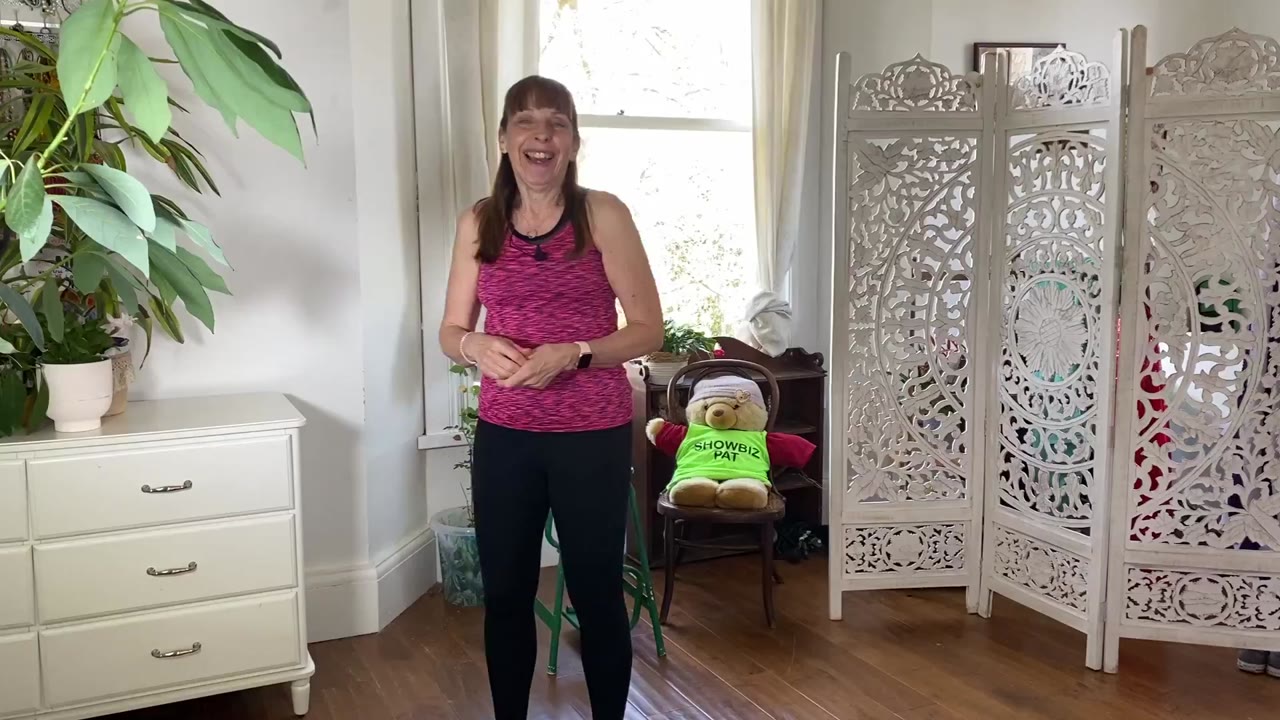
Pendulum Back
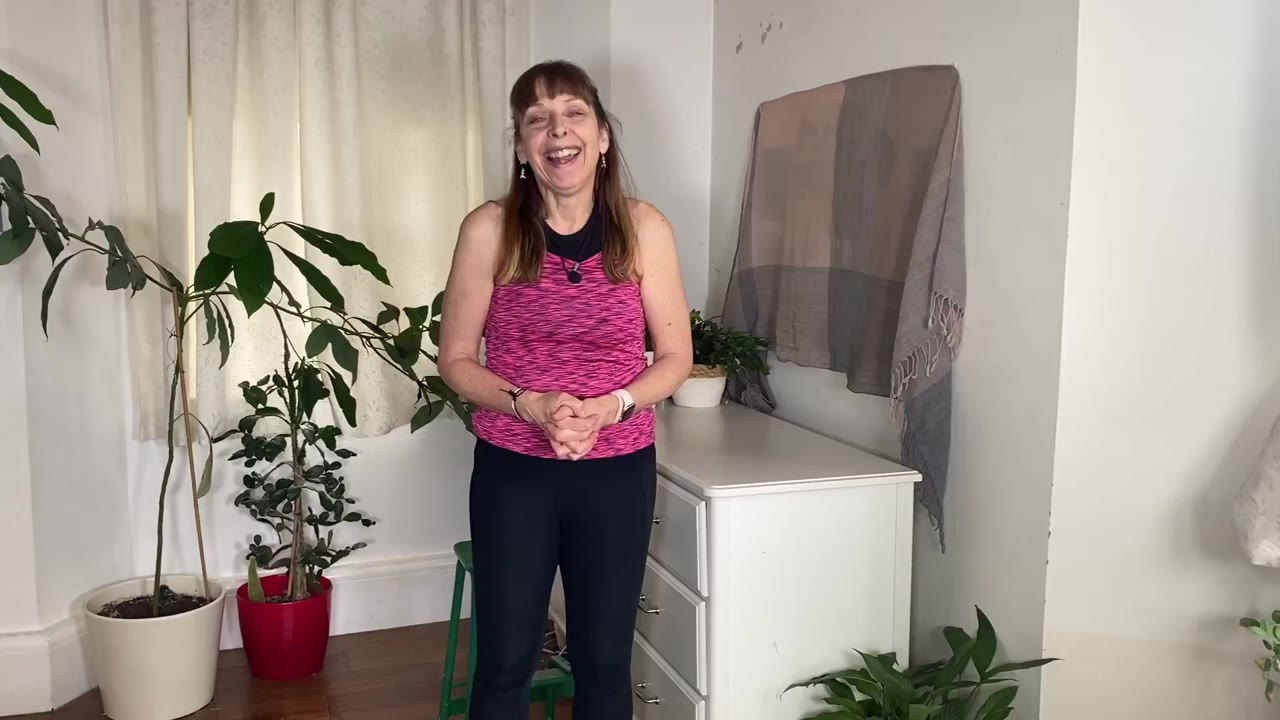
STANDING GOOD POSTURE
1. Breathing
2. Unilateral arm flexion
3. Abduction using a flat surface
4. External rotation - elbow into waist and thumb up Back
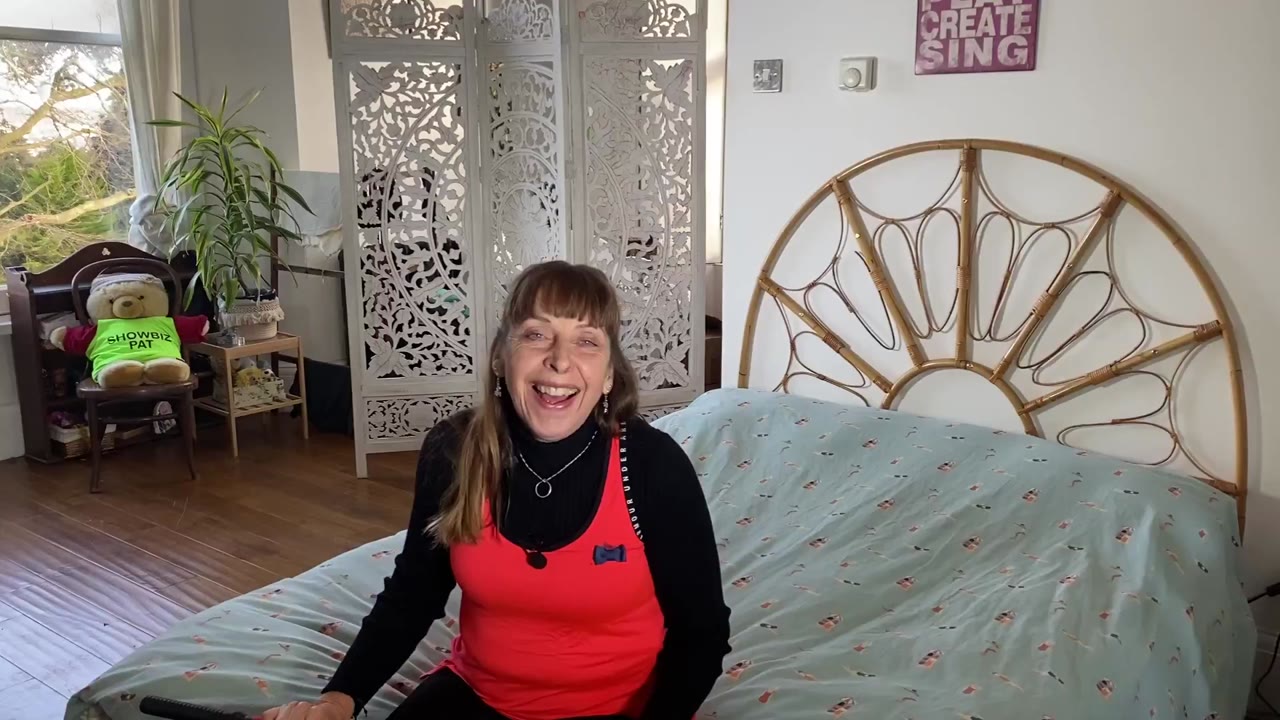
1. Supine shoulder flexion holding lightweight stick
2. Supine abduction holding lightweight stick
3. Standing external rotation using flat hand on wall
4. Internal rotation - with balance challenge Back
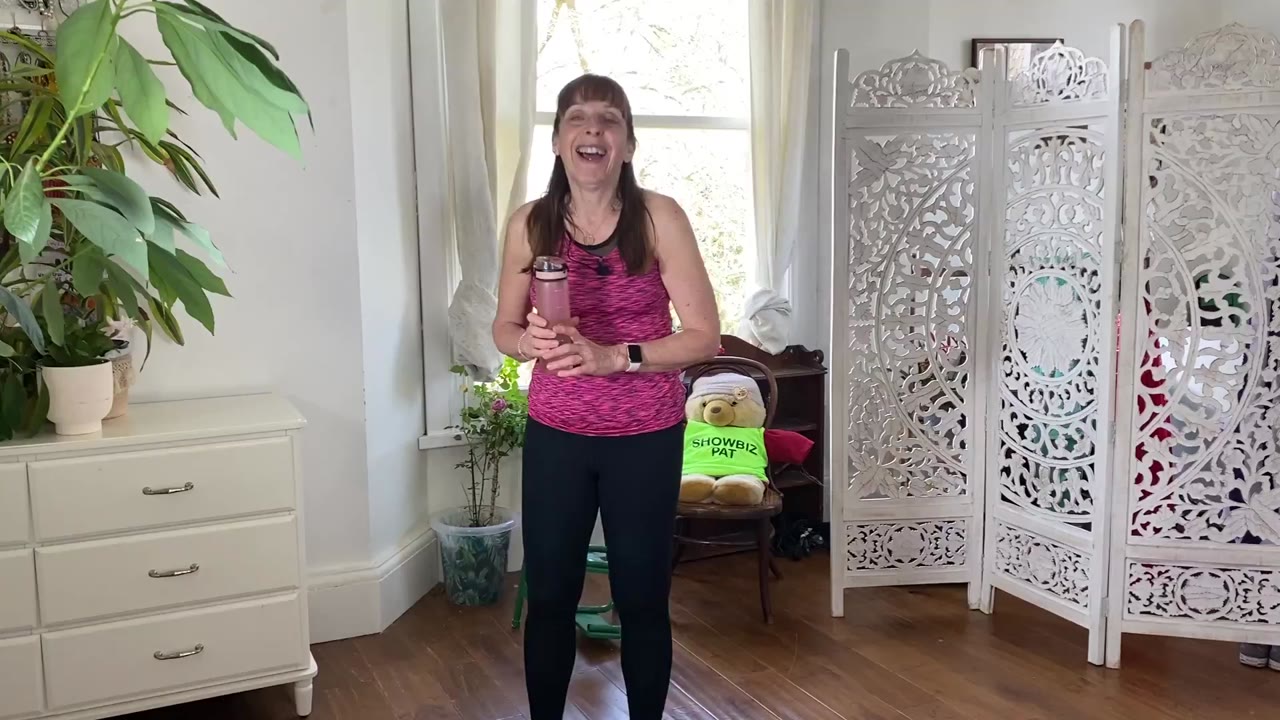
1. Pendulum with weight Back
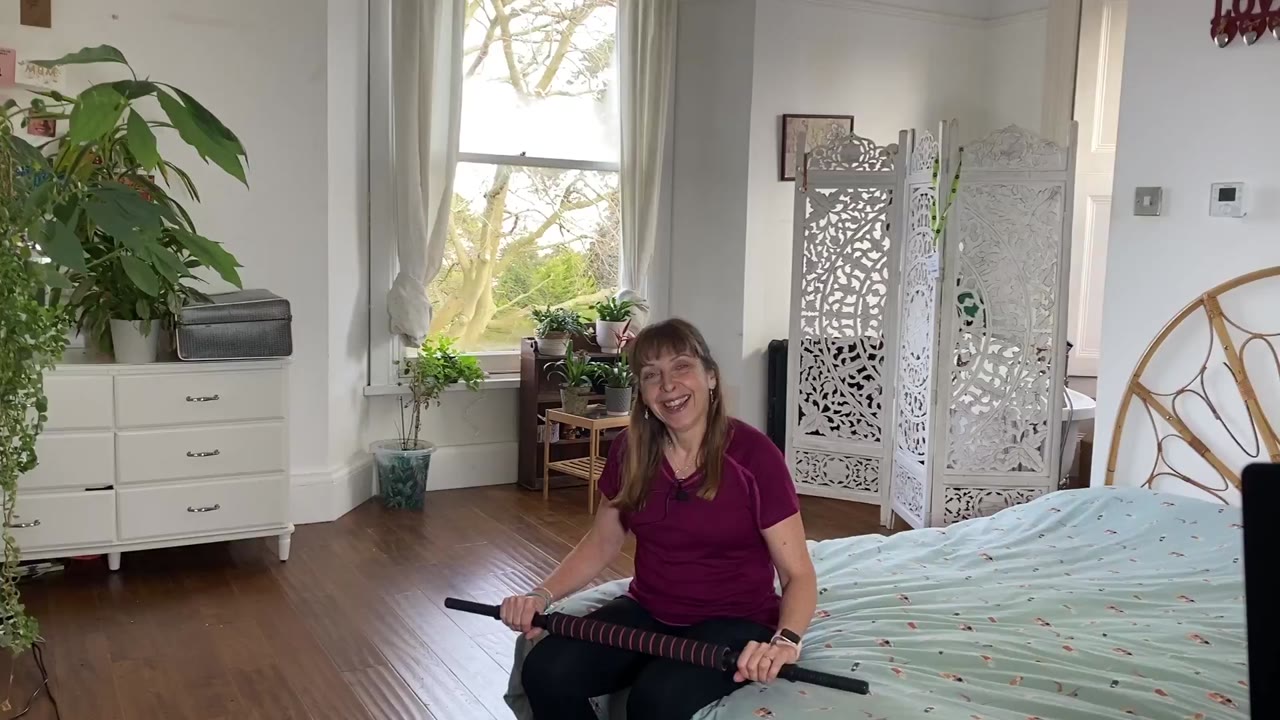
1. Supine arm flexion holding lightweight stick
2. Supine abduction holding lightweight stick
3. Standing external rotation using flat hand on wall
4. Dynamic external rotation - elbow into waist and thumb up
5. Internal rotation using flat surface to aid flexion
6. Chest stretch -standing external rotation using wall - whole forearm presses against wall Back
1. Supine shoulder flexion holding lightweight stick progressing to no stick
2. Seated shoulder flexion holding lightweight stick progressing to no stick
3. Supine abduction holding lightweight stick
4. Seated or standing abduction holding lightweight stick
5. Standing external rotation using flat hand with isometric push on wall
6. Dynamic external rotation - elbow into waist and thumb up
7. Internal rotation using flat surface to aid flexion
8. Standing assisted shoulder flexion using flat surface Back
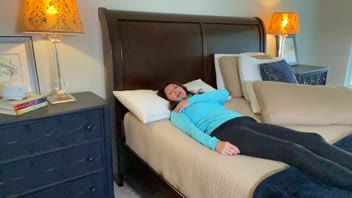
LYING ON BACK
1. Elevate elbow a little above shoulder using a pillow underneath arm
2. Additionally, a pillow under the knees will alleviate low back pain
LYING ON AFFECTED SIDE
3. If this is necessary, make a canal for your arm with pillows, so that your upper body weight is supported by the pillow
LYING ON UNAFFECTED SIDE
4. Support affected arm with pillows so that the elbow is a little higher than shoulder
5. Place a pillow between legs to ease any low back pain Back









- Tokyo
- New York
- London
- Mumbai
- Sydney

Smart TV

Smart Watch